

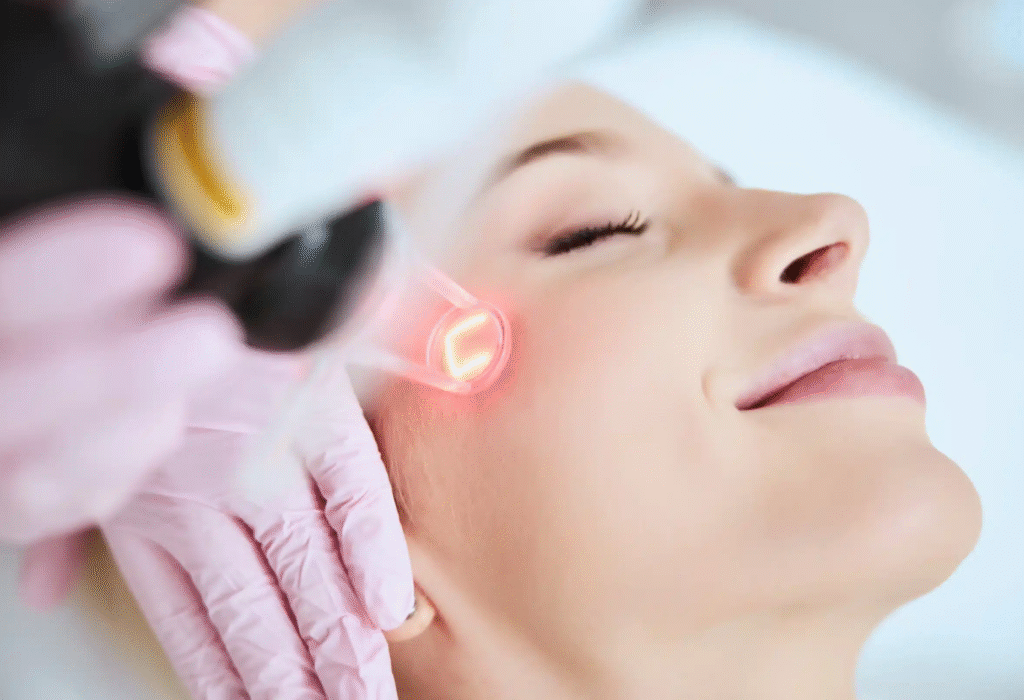
Laser treatments have become a common choice for patients looking to improve skin quality without surgical intervention. Laser facial resurfacing focuses on renewing the skin’s surface by targeting damaged outer layers and stimulating natural regeneration. You can also reach out here for a consultation to learn whether laser facial resurfacing is suitable for your skin type and goals. This approach is widely used in aesthetic medicine to address visible imperfections while maintaining natural looking results.
What Is Laser Facial Resurfacing
Laser facial resurfacing is a cosmetic procedure that uses focused light energy to remove or remodel the outer layers of the skin. The treatment encourages cell turnover and collagen production, which helps improve overall skin texture.
Depending on the technology used, lasers can either remove thin layers of skin or gently heat deeper layers without damaging the surface. Both approaches aim to create smoother, more even skin over time rather than instant dramatic change.
Skin Concerns Commonly Treated
Laser facial resurfacing is often recommended for patients experiencing visible skin irregularities that do not respond well to topical products alone.
Common concerns include:
- uneven skin texture
- fine lines and early wrinkles
- enlarged pores
- sun damage and pigmentation
- acne scars and post inflammatory marks
By addressing these issues at a structural level, laser treatments offer longer lasting improvement compared to surface level skincare.
Types of Laser Technologies Used
Not all laser treatments work the same way. Clinics typically choose the technology based on skin type, condition severity, and recovery expectations.
Ablative lasers remove the outer skin layers and are usually recommended for more pronounced concerns. Non ablative lasers work beneath the surface while keeping the skin intact, offering milder improvement with shorter downtime. Fractional lasers combine both concepts by treating small sections of skin while leaving surrounding tissue untouched.
Each option has different recovery timelines and outcome profiles, which should be discussed during consultation.
What To Expect During The Procedure
Laser facial resurfacing is usually performed in a clinical setting. The skin is cleansed and a topical anesthetic may be applied to improve comfort.
Treatment time varies depending on the area being treated and the laser type used. Patients often experience warmth or a mild stinging sensation during the procedure. After treatment, the skin may appear red or swollen, similar to a sunburn, which gradually subsides.
Recovery And Post Treatment Care
Recovery depends on the intensity of the laser treatment. Mild procedures may require only a few days of downtime, while deeper resurfacing can take longer.
Post treatment care typically includes:
- gentle cleansing routines
- strict sun protection
- avoiding active skincare products temporarily
- moisturizing to support healing
Following aftercare instructions is essential for proper healing and optimal results.
Safety And Suitability Considerations
Laser facial resurfacing is generally safe when performed by trained professionals using appropriate technology. However, it may not be suitable for every skin type or condition.
Patients with active infections, certain skin disorders, or very dark skin tones may require alternative approaches or specific laser settings. A thorough assessment helps reduce risks such as pigmentation changes or prolonged irritation.
Expected Results And Longevity
Results from laser facial resurfacing develop gradually as the skin heals and regenerates. Texture appears smoother, tone becomes more even, and overall skin quality improves.
While results can last for years, aging and environmental factors continue to affect the skin. Maintenance treatments and proper skincare help extend the benefits.
Choosing Laser Facial Resurfacing As A Treatment Option
Laser facial resurfacing offers a balance between visible improvement and non surgical care. It works best for patients seeking skin refinement rather than dramatic transformation.
When chosen appropriately and performed under medical supervision, this treatment supports healthier looking skin with controlled, predictable outcomes.