

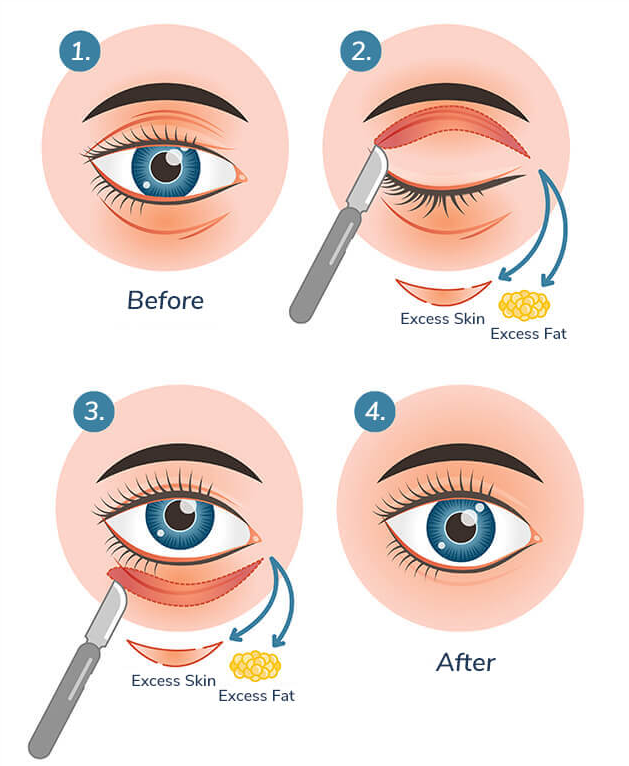
Blepharoplasty is a cosmetic procedure designed to improve the appearance of the eyelids by removing or repositioning excess skin, fat, or tissue around the eyes. For people interested in facial rejuvenation and modern self-care, understanding the procedure is an important first step. Coolaser Clinic provides professional aesthetic treatments and can help patients explore cosmetic options based on their individual concerns, goals, and skin characteristics.
What Is Blepharoplasty?
Blepharoplasty is a surgical procedure performed on the upper eyelids, lower eyelids, or both. It is often chosen by people who notice loose skin, puffiness, or changes around the eyes that make the face appear more tired than they feel.
The procedure focuses specifically on the eyelid area. Depending on the patient’s anatomy and treatment goals, a specialist may remove excess skin, adjust fatty tissue, or reposition certain structures to create a more balanced appearance.
Because every face is different, there is no single approach that works for everyone. A consultation is usually necessary to determine which technique is appropriate.
Why Do People Consider Eyelid Surgery?
The skin around the eyes is thin and delicate, making it particularly susceptible to visible changes over time. Natural aging, genetics, lifestyle factors, and changes in skin elasticity can all affect the appearance of the eyelids.
Common concerns include:
- Excess skin on the upper eyelids
- Puffy lower eyelids
- Under-eye bags
- A tired-looking appearance
- Fine lines around the eyes
- Changes in eyelid contours
For some people, the motivation is primarily cosmetic. In certain cases, excess upper-eyelid skin may also interfere with the field of vision. When vision is affected, an appropriate medical evaluation is especially important.
How Does Blepharoplasty Work?
The exact technique depends on whether the upper eyelids, lower eyelids, or both are being treated.
During upper eyelid surgery, an incision is generally placed within the natural crease of the eyelid. This allows a surgeon to address excess skin and other tissue while positioning the incision where it can become less noticeable as it heals.
Lower eyelid surgery can involve different approaches depending on the patient’s anatomy. A surgeon may work through an incision near the lash line or use an approach through the inside of the lower eyelid in selected cases.
The goal is not simply to remove as much tissue as possible. A carefully planned procedure should take facial proportions and the natural structure of the eye area into account.
Who May Be a Candidate?
Blepharoplasty may be considered by adults who are concerned about excess eyelid skin, under-eye bags, or other age-related changes around the eyes.
However, being interested in the procedure does not automatically mean that surgery is appropriate. A consultation should take into account overall health, existing eye conditions, medications, previous procedures, skin characteristics, and personal expectations.
A qualified specialist can explain the available options and determine whether eyelid surgery is suitable or whether another cosmetic treatment may better address a particular concern.
What Happens During a Consultation?
A consultation is an important part of the process. The specialist typically examines the eyelid area and discusses the patient’s concerns and desired outcome.
The conversation may include:
- The condition of the upper and lower eyelids
- Skin elasticity
- Fat distribution
- Facial proportions
- Previous cosmetic procedures
- Medical and eye history
- Expected recovery
- Potential risks and complications
Patients should also use this appointment to ask questions. Understanding the technique, preparation, recovery process, and realistic results can make the decision more informed.
What Is Recovery Like?
Recovery varies from person to person and depends on the extent of the procedure. Swelling and bruising around the eyes are common during the early recovery period.
Patients may be advised to rest, avoid strenuous activity, protect the treated area, and follow specific aftercare instructions. Cold compresses may sometimes be recommended during the initial period, depending on the surgeon’s guidance.
The visible appearance of the eyelids can continue changing as swelling decreases and tissues heal. It is therefore important to avoid judging the final result too early.
Following all post-procedure instructions is an important part of recovery.
What Results Can Patients Expect?
The purpose of blepharoplasty is to create a refreshed and more balanced appearance around the eyes. The procedure can reduce the appearance of excess skin and puffiness, helping the eye area look more defined.
Results vary according to individual anatomy, age, skin quality, surgical technique, and healing. Blepharoplasty does not stop the natural aging process, so changes around the eyes can continue over time.
A realistic approach is important. The goal is generally to improve specific concerns while maintaining the natural character of the face.
Are There Risks?
Like any surgical procedure, blepharoplasty has potential risks. These may include swelling, bruising, temporary irritation, infection, scarring, asymmetry, changes in sensation, or other complications.
Because the eyes are a delicate area, choosing an appropriately qualified medical professional and discussing individual risks during consultation is essential.
Patients should provide a complete medical history and disclose medications, supplements, allergies, and existing eye conditions before treatment.
How Is Blepharoplasty Different From Non-Surgical Treatments?
Not every concern around the eyes requires surgery. Depending on the problem, some people may consider non-surgical aesthetic treatments designed to improve skin texture, pigmentation, fine lines, or overall skin quality.
However, non-surgical treatments cannot simply replace surgery in every situation. Significant excess eyelid skin or certain structural concerns may require a surgical approach.
A professional assessment can help determine which treatment category is most appropriate for a person’s specific needs.
Final Thoughts
Blepharoplasty is an eyelid surgery that addresses excess skin, fat, and other changes around the upper or lower eyelids. It can be considered as part of a broader facial rejuvenation plan, but understanding the procedure and its limitations is essential before making a decision.
Anyone considering eyelid surgery should seek an individual consultation with a qualified professional, discuss their goals and medical history, and learn about preparation, recovery, potential risks, and realistic outcomes.
For people exploring modern aesthetic care, taking the time to understand different treatment options can make the process more comfortable and informed.