

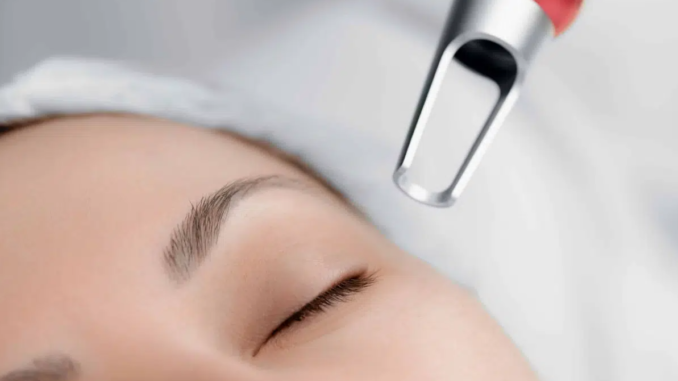
Skin can change significantly over time. Sun exposure, natural aging, acne, environmental stress, and everyday habits may gradually affect texture, tone, and overall appearance. While a consistent skincare routine remains important, some people also explore professional procedures when they want to address visible concerns more directly. Laser facial resurfacing is one modern aesthetic option that uses controlled laser energy to encourage skin renewal and improve the appearance of selected imperfections. Coolaser Clinic offers professional aesthetic treatments tailored to individual skincare needs and cosmetic goals.
What Is Laser Facial Resurfacing?
Laser facial resurfacing is a cosmetic procedure that uses concentrated laser energy to treat selected areas of the face. Depending on the technology, the treatment can affect the outer layer of the skin or deliver controlled energy into deeper tissue.
The purpose of the procedure can vary. Some techniques focus on removing damaged surface cells, while others create controlled thermal effects that support the skin’s natural renewal process.
Because different laser systems work in different ways, facial resurfacing is not one standardized procedure. Treatment depth, intensity, technology, and recovery time can all vary depending on the individual’s needs.
Why People Consider Resurfacing Treatments
As the skin ages, it can develop visible changes that are difficult to address with skincare products alone. Uneven texture, fine lines, pigmentation, acne-related marks, and sun-related changes may become more noticeable over time.
People may consider laser facial resurfacing when they want to improve the appearance of concerns such as:
- Uneven skin texture
- Fine lines and wrinkles
- Certain pigmentation irregularities
- Sun-related skin changes
- Acne scars and surface irregularities
- Dull-looking complexion
- Visible signs of skin aging
The procedure is not designed to address every concern for every person. A professional assessment is important for determining whether resurfacing is suitable for a particular skin condition.
How Laser Energy Works on the Skin
The skin naturally replaces older cells with newer ones. Certain laser procedures are designed to work alongside this natural renewal process by creating controlled changes in targeted areas.
Depending on the treatment, laser energy may remove selected damaged surface tissue or stimulate activity within deeper layers. As the skin recovers, the treated area can gradually develop a smoother and more refreshed appearance.
The specific response depends on factors such as skin type, treatment intensity, laser technology, lifestyle, and sun exposure.
Different Types of Laser Resurfacing
Modern aesthetic clinics can use several laser technologies depending on the desired effect. Some procedures are more intensive and remove a larger amount of surface tissue. Others use fractional technology, treating microscopic areas while leaving surrounding skin intact.
More intensive treatments can require a longer recovery period, while gentler approaches may involve less visible downtime. The choice depends on the cosmetic concern being addressed as well as the patient’s expectations and schedule.
This is why discussing the specific procedure with a qualified professional is more useful than simply choosing a treatment based on its name.
Why Individual Treatment Planning Matters
Facial skin can vary considerably from person to person. Skin tone, sensitivity, previous cosmetic treatments, current skincare products, and sun exposure can all influence treatment planning.
Before laser facial resurfacing, a professional can examine the skin and discuss the patient’s concerns and desired outcome. This assessment helps determine whether the procedure is appropriate and which treatment approach may be most suitable.
A consultation also provides an opportunity to discuss potential side effects, recovery expectations, and aftercare requirements.
Preparing for Your Procedure
Preparation depends on the type and intensity of the planned treatment. Some patients may need to adjust their skincare routine before their appointment, while others may be advised to avoid excessive sun exposure.
It is important to tell the provider about recent cosmetic procedures, medications, and skincare products currently being used. Certain active ingredients or treatments may need to be temporarily discontinued.
Following individualized preparation instructions can help reduce unnecessary irritation and create better conditions for the procedure.
What Happens During a Session?
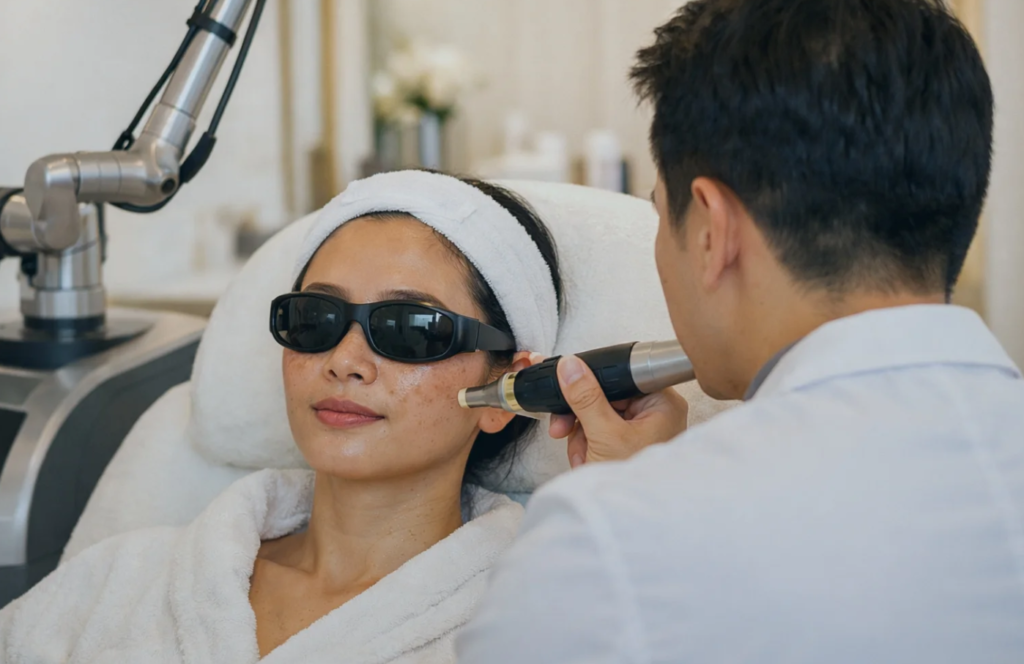
The treatment process varies according to the selected laser system and the size of the area being treated. Before the session begins, the skin is cleansed and prepared.
During the procedure, the laser delivers controlled energy to the selected areas of the face. Patients may experience sensations such as warmth, tingling, or brief discomfort. The exact experience depends on the technology and treatment intensity.
The length of an appointment also varies. Smaller treatment areas may require less time, while more extensive procedures can take longer.
Understanding the Recovery Period
Recovery is an important consideration before scheduling laser resurfacing. Gentler procedures may cause temporary redness and sensitivity, while more intensive treatments can involve peeling, swelling, or visible changes for several days.
During recovery, the skin should be handled carefully. Patients should follow the provider’s instructions and avoid scratching, picking, or unnecessarily irritating the treated area.
Knowing how much downtime to expect can also help patients plan work, travel, and social activities around their procedure.
Protecting Your Skin From the Sun
Sun protection is particularly important before and after resurfacing treatments. Recently treated skin can be more sensitive to ultraviolet exposure, making appropriate protection an important part of recovery.
Patients may be advised to use broad-spectrum sunscreen, protective clothing, and other measures that reduce direct exposure to sunlight.
Long-term sun protection also supports overall skin maintenance. Making sunscreen part of a daily skincare routine can help protect the complexion from continued UV-related damage.
Skincare After Resurfacing
Professional treatment does not replace everyday skincare. Once the initial recovery period is complete, a simple and consistent routine can help maintain the appearance of the skin.
Depending on individual needs, this may include:
- Gentle cleansing
- Regular moisturization
- Daily sunscreen
- Carefully selected skincare products
- Professional follow-up appointments
A provider can also explain when certain active ingredients can safely be introduced again after treatment.
How Many Treatments May Be Needed?
The number of sessions varies depending on the treatment, the skin concern, and the patient’s cosmetic goals. Some people may see noticeable changes after one procedure, while others may benefit from a series of treatments.
Treatment intensity and the condition being addressed can also influence the recommended schedule.
Rather than choosing a fixed number of sessions in advance, patients should discuss their expectations with a professional who can recommend an individualized approach.
Setting Realistic Expectations
Laser facial resurfacing can improve the appearance of selected skin concerns, but it should not be viewed as a way to permanently stop the natural aging process.
Results can develop gradually, particularly when a procedure works by supporting the skin’s natural renewal process. Individual responses can also vary.
Understanding the expected results, recovery time, and limitations of treatment can help patients approach the procedure with realistic expectations.
Final Thoughts
Laser facial resurfacing has become a widely considered option within modern aesthetic skincare. By using controlled laser energy, different procedures can target concerns involving texture, pigmentation, fine lines, and visible signs of environmental or age-related skin changes.
The right approach depends on the individual’s skin characteristics, goals, treatment history, and preferred recovery time. A professional consultation is therefore an important step before choosing a procedure.
When combined with consistent skincare and effective sun protection, resurfacing can become part of a broader strategy for maintaining a smoother, refreshed-looking complexion.er strategy for maintaining a smoother, refreshed-looking complexion.