

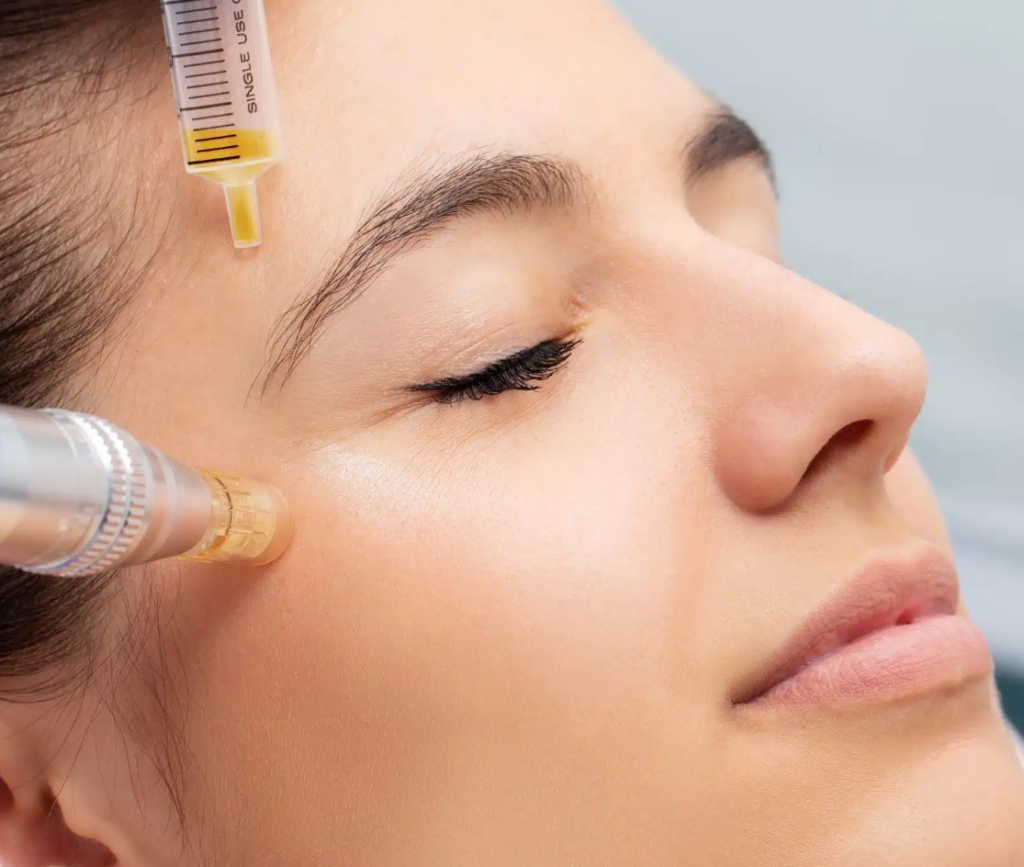
Healthy-looking skin is influenced by more than skincare products alone. Lifestyle, environmental exposure, natural aging, and individual skin characteristics all contribute to its appearance. This has encouraged growing interest in treatments that use the body’s own biological materials. Facial PRP Therapy is one option attracting attention in modern aesthetic care. Clinics such as Coolaser Clinic offer information about this procedure as part of their facial treatment services.
Why Skin Renewal Is About More Than Appearance
Many people associate facial rejuvenation with reducing visible wrinkles. However, skin quality involves several characteristics, including texture, elasticity, tone, and overall appearance.
Fine lines may become more noticeable over time. Sun exposure can contribute to uneven pigmentation, while natural changes in collagen production may affect skin firmness. These developments do not happen at the same rate for everyone.
For this reason, modern aesthetic care increasingly considers the condition of the skin as a whole. Rather than focusing on one visible concern, a treatment plan may address several individual factors and take personal expectations into account.
Understanding the Science Behind PRP
Platelet-rich plasma, commonly known as PRP, is prepared from a small sample of the patient’s own blood. The sample is processed using specialized equipment to separate the plasma containing a higher concentration of platelets.
Platelets are best known for their role in normal blood clotting. They also contain growth factors and other signaling proteins involved in the body’s natural repair processes.
During Facial PRP Therapy, a qualified practitioner uses the prepared plasma according to the selected treatment protocol. The goal is to support the skin’s natural biological activity rather than introduce a conventional cosmetic filler.
Because the material comes from the patient’s own blood, PRP is described as an autologous treatment. However, this does not mean that the procedure is suitable for everyone or completely free of risks.
What Skin Concerns May Lead People to Consider PRP?
People explore PRP for different reasons. Some want to address changes associated with aging, while others are interested in improving the overall appearance of skin affected by environmental factors.
Common concerns discussed during consultations include:
- Fine lines and early signs of aging
- Uneven-looking skin texture
- Reduced skin firmness
- Visible effects of sun exposure
- Changes in the appearance of the under-eye area
- A general desire for a refreshed appearance
Clinical research has examined several of these areas, particularly skin texture and signs of photoaging. Nevertheless, the available evidence remains limited, and results can differ depending on the preparation method, treatment technique, and individual characteristics.
A professional assessment helps determine whether PRP is a reasonable option for a particular concern.
The Treatment Experience Depends on the Individual
Although the general preparation process is similar across many PRP procedures, the treatment itself can vary.
A practitioner first reviews the patient’s skin condition, medical history, expectations, and suitability. If treatment is considered appropriate, a blood sample is collected and processed to obtain the platelet-rich plasma.
The prepared material is then administered using the technique selected by the practitioner. Depending on the protocol, this may involve targeted injections into specific facial areas.
The number of sessions and the interval between them should not be assumed to be the same for every patient. A personalized plan takes into account the treatment goals, skin condition, and clinical judgment.
Why Realistic Expectations Matter
One reason people become interested in Facial PRP Therapy is its use of material obtained from their own blood. This can make the procedure appealing to those who prefer an approach based on autologous products.
However, natural origin does not guarantee a particular cosmetic result. PRP should not be presented as a replacement for every skincare treatment, nor should patients expect dramatic changes after a single session.
A 2024 overview of systematic reviews found that the available evidence for PRP in facial rejuvenation was not strong enough to support firm conclusions about its effectiveness. Some studies reported improvements in patient satisfaction and aspects of skin quality, but differences in research methods made the results difficult to compare.
This is why a responsible consultation should explain both the potential benefits and the uncertainties.
Recovery and Everyday Skin Care
After treatment, temporary redness, swelling, tenderness, or bruising may occur. The intensity and duration of these effects vary between individuals and depend partly on the technique used.
Patients should follow the practitioner’s aftercare instructions rather than rely on a generic routine. These instructions may include avoiding unnecessary irritation, postponing certain skincare products, and limiting activities that could interfere with recovery.
Sun protection also remains important. A suitable sunscreen, gentle cleansing, and consistent skincare habits can support general skin health, although they cannot guarantee or replace the effects of a procedure.
Anyone experiencing unexpected or persistent symptoms should contact the treating professional for guidance.
Choosing a Provider Requires Careful Questions
The quality of the treatment experience depends on more than the equipment or the name of the procedure. Proper patient assessment, sterile preparation, clinical knowledge, and clear communication all matter.
Before deciding, patients may want to ask:
- Who will assess and perform the procedure?
- How is the blood sample processed?
- Which preparation and administration method is used?
- What results are realistic for the specific skin concern?
- What side effects and contraindications should be considered?
- What aftercare will be required?
These questions help patients understand the procedure and make a more informed decision. A trustworthy provider should be willing to discuss limitations instead of promising identical outcomes for everyone.
Final Thoughts
Modern aesthetic care offers several ways to address visible changes in the skin, but no single procedure is right for every person. Facial PRP Therapy has attracted interest because it uses platelet-rich plasma prepared from the patient’s own blood and may support certain aspects of facial skin rejuvenation.
The most important step is understanding what the treatment can realistically offer. Individual assessment, appropriate technique, responsible aftercare, and realistic expectations all contribute to a safer and more informed experience.
For more articles about skincare, beauty, and aesthetic treatments, you can find them here.