

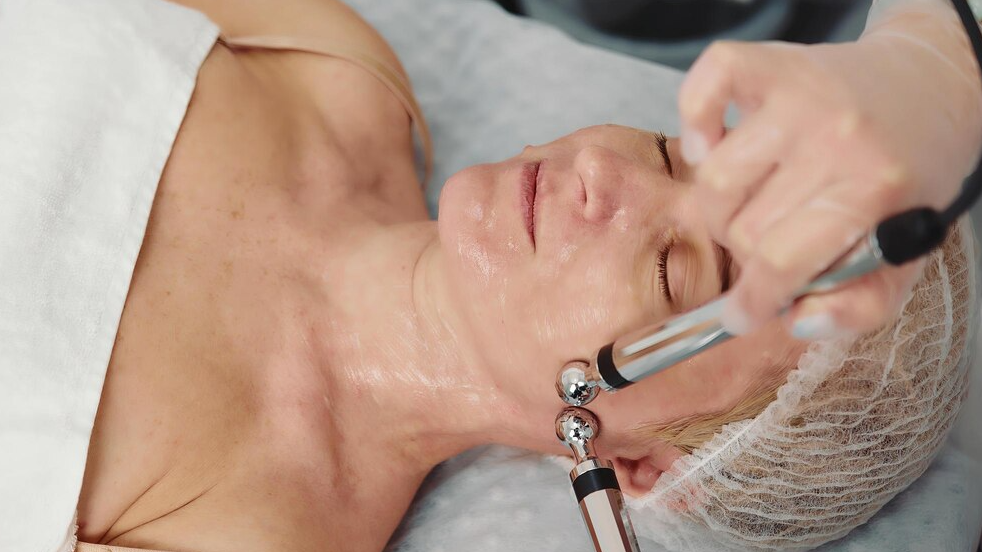
Facial appearance changes naturally with age, and one of the most noticeable changes is the gradual loss of volume in areas such as the cheeks, temples, and under-eye region. While skincare can help maintain the skin’s surface, it cannot fully address every change in facial contours. For readers exploring modern aesthetic treatments, Coolaser Clinic provides information about facial fat grafting and its role in restoring facial volume. Among the options available today, facial fat grafting has attracted attention for its use of a person’s own fat to restore volume in selected areas of the face.
Why Facial Volume Matters
Facial volume plays an important role in how the face looks and how its contours develop over time. Full cheeks, balanced proportions, and smooth transitions between facial areas contribute to an overall appearance of vitality.
As people age, changes in fat distribution, skin elasticity, and underlying structures can make certain areas appear hollow or less defined. Genetics, weight changes, and individual anatomy can also influence facial contours.
These changes do not happen at the same rate for everyone. Some people notice reduced volume around the temples, while others see more pronounced hollows beneath the eyes or changes in cheek fullness. Understanding the cause of these concerns helps individuals explore suitable treatment options rather than choosing a procedure based on trends alone.
What Facial Fat Grafting Involves
Facial fat grafting, also known as facial fat transfer, is a procedure that uses fat taken from one area of the body and transfers it to selected areas of the face. A medical professional typically collects fat from a donor area, processes it, and carefully places it into the areas that require additional volume.
Common treatment areas may include the cheeks, temples, and certain facial hollows. However, suitability depends on the person’s anatomy, goals, available donor fat, and overall health.
Unlike synthetic fillers, this procedure uses the patient’s own tissue. Nevertheless, it is still a surgical treatment, and the fact that it uses natural tissue does not eliminate the possibility of complications. A qualified specialist should explain the process, potential benefits, limitations, and risks before treatment.
Potential Benefits and Important Limitations
One reason people consider facial fat grafting is the possibility of restoring volume without relying entirely on manufactured injectable materials. The transferred fat may create softer contours and support a more balanced appearance when a practitioner places it carefully.
Another potential advantage is that the procedure uses fat from the patient’s own body. The collection process may also allow the practitioner to remove a small amount of unwanted fat from a donor area, although the primary goal remains facial volume restoration.
However, results can vary considerably. Not all transferred fat survives in its new location, and the amount retained can differ between individuals. Some people may require additional treatment to achieve their desired result.
Swelling, bruising, asymmetry, infection, changes in skin sensation, and irregularities in contour are among the possible complications. Rare but serious vascular complications can also occur. Patients should discuss these risks with an appropriately qualified medical professional before deciding whether to proceed.
Who May Be a Suitable Candidate?
Facial fat grafting may suit adults who want to address localized volume loss and have enough donor fat for the planned treatment. A consultation allows a specialist to assess facial anatomy, medical history, expectations, and the areas the patient wants to improve.
The procedure may not be appropriate for everyone. Certain medical conditions, inadequate donor fat, or unrealistic expectations may affect suitability. Smoking and other lifestyle factors can also influence healing and should be discussed during the consultation.
It is important to distinguish volume loss from other concerns. For example, prominent wrinkles, loose skin, pigmentation, and uneven texture may require different approaches. A practitioner can explain whether fat transfer alone is likely to address the person’s main concerns or whether another treatment may be more appropriate.
Recovery Requires Time and Patience
Recovery after facial fat grafting varies according to the treatment areas, the amount of fat transferred, and individual healing responses. Swelling and bruising are common during the early recovery period, so the face may initially look fuller or less symmetrical than expected.
Patients should follow their surgeon’s instructions regarding cleaning, activity, sleeping positions, and follow-up appointments. They should also ask when it is safe to resume exercise, use cosmetics, and return to their usual routine.
The final appearance does not become clear immediately. Some transferred fat is naturally reabsorbed, and the remaining volume may change as healing progresses. Follow-up visits help the medical team monitor recovery and address any concerns.
Patients should contact their healthcare provider if they experience unexpected or worsening symptoms. Severe pain, changes in skin color, vision problems, or rapidly increasing swelling require urgent medical assessment.
How to Make an Informed Decision
Choosing a facial procedure involves more than comparing before-and-after photographs. Patients should verify a practitioner’s qualifications, ask about experience with facial fat transfer, and review the potential risks alongside the expected benefits.
During a consultation, useful questions include how the procedure will be performed, what type of anesthesia may be used, where the donor fat will come from, and what results are realistic for the individual’s anatomy. Patients should also ask about recovery time, possible additional procedures, and the total cost of treatment.
Photographs can help communicate aesthetic goals, but they should not create unrealistic expectations. Every face has different proportions, and a result that suits one person may not be appropriate for another.
Final Thoughts
Facial fat grafting offers one option for people who want to address facial volume loss using their own fat. The procedure can create subtle changes in facial contours, but outcomes depend on individual anatomy, fat retention, surgical technique, and the healing process.
Careful research and a thorough consultation can help patients understand whether this approach aligns with their needs. Rather than pursuing a particular trend, the most useful goal is to choose a medically appropriate treatment that respects natural facial proportions and prioritizes safety.
For more articles about skincare, beauty, and aesthetic treatments, you can find them here.